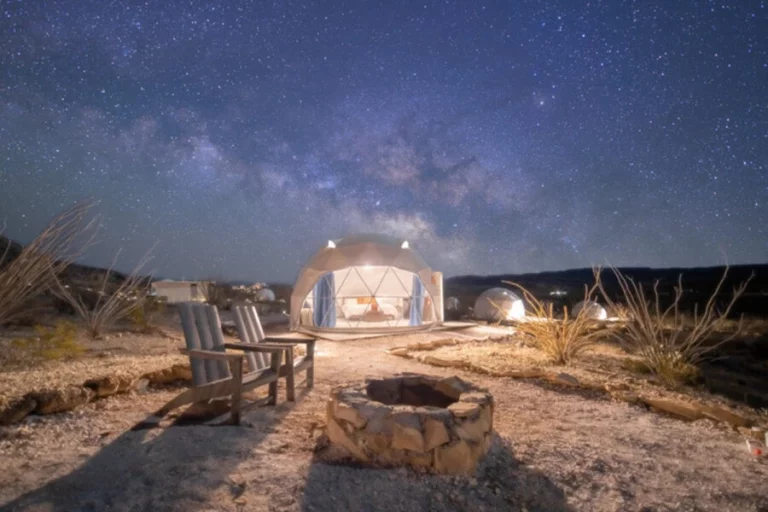
Creating a healing home for individuals recovering from meth addiction is essential for fostering a supportive environment. The design choices made in these spaces can greatly impact recovery outcomes. Thoughtful elements such as color palettes, furniture arrangements, and natural light play vital roles in shaping the atmosphere. Understanding these factors can lead to more effective recovery strategies. As one explores the nuances of designing such spaces, several key considerations come to the forefront.
Key Takeaways
- Design a clutter-free space with calming colors to minimize stress and promote a serene atmosphere for recovery.
- Incorporate plants and natural elements to enhance tranquility and create a connection to nature.
- Utilize soft, warm lighting and comfortable furniture to foster relaxation and encourage social interaction.
- Create designated quiet areas for personal reflection and self-care, supporting individual healing processes.
- Ensure access to natural light and fresh air to uplift spirits and improve overall well-being during recovery.
Understanding the Impact of Environment on Meth Recovery Success Rates
While the journey to recovery from meth addiction can be fraught with challenges, the environment in which an individual resides plays a vital role in influencing meth recovery success rates. A supportive atmosphere fosters healing, providing individuals with a sense of safety and belonging. Factors such as a stable living situation, positive relationships, and a nurturing community contribute to a stronger foundation for recovery. When individuals feel understood and accepted, they are more likely to engage in their recovery process. A home that promotes tranquility, encourages healthy habits, and limits triggers can greatly enhance motivation and resilience. Ultimately, understanding the impact of one’s environment is essential in improving meth recovery success rates and creating a path toward lasting transformation.
Key Design Elements for a Supportive Recovery Space
Creating a supportive recovery space requires careful consideration of design elements that foster healing and well-being. A balanced layout that encourages open communication and connection is essential, as it cultivates a sense of belonging among individuals in recovery. Soft, warm lighting can create a calming atmosphere, while comfortable furniture invites relaxation and reflection. Incorporating designated quiet areas allows for personal time, crucial for self-care. Color choices, such as soft blues and greens, can promote tranquility and reduce anxiety. Additionally, organizing communal spaces to encourage social interaction fosters support networks, important for recovery. By thoughtfully integrating these design elements, a home can greatly impact meth recovery success rates, providing an environment where healing and growth can flourish.
Incorporating Natural Elements to Enhance Healing
Incorporating natural elements into home design can greatly enhance the healing process for individuals in recovery from meth addiction. Elements such as plants, natural light, and organic materials foster a sense of tranquility and connection to nature, which can be particularly grounding during recovery. Research shows that exposure to greenery can reduce stress and anxiety, promoting emotional well-being. Integrating large windows or skylights allows sunlight to flood spaces, further uplifting spirits and encouraging a positive atmosphere. Additionally, using materials like wood, stone, or bamboo can create a warm and inviting environment. These natural touches not only beautify the space but also support meth recovery success rates by creating a nurturing home that fosters belonging and stability for those on their healing journey.

Creating Comfortable and Functional Living Areas
To foster a sense of safety and belonging, it is essential that living areas are both comfortable and functional for individuals in recovery from meth addiction. Thoughtful design can play an important role in promoting well-being. Cozy seating arrangements encourage relaxation and foster social interactions, while decluttered spaces enhance focus and minimize distractions. Adequate lighting, both natural and artificial, can uplift moods and create an inviting atmosphere. Incorporating multi-functional furniture allows for flexibility, accommodating diverse needs without overwhelming the space. Personal touches, such as artwork or family photos, can instill a sense of ownership and connection. By prioritizing comfort and practicality, these living areas can greatly contribute to higher meth recovery success rates, supporting individuals on their journey to healing and reintegration.
Establishing a Safe and Positive Atmosphere for Recovery
While the journey to recovery can be challenging, establishing a safe and positive atmosphere is crucial for individuals overcoming meth addiction. A supportive environment fosters healing by promoting feelings of security and belonging. This can be achieved through thoughtful design choices, such as decluttering spaces to minimize stress and using calming colors to create a serene backdrop. Incorporating personal touches, like photographs or meaningful decorations, can enhance emotional connection. Additionally, ensuring access to natural light and fresh air can uplift spirits and improve overall well-being. Ultimately, a nurturing atmosphere not only aids in meth recovery success rates but also encourages individuals to engage with their surroundings, fostering a sense of community and support that is essential for sustained recovery.
Frequently Asked Questions
How Can I Measure Meth Recovery Success Rates at Home?
To measure meth recovery success rates at home, one can track sobriety duration, emotional well-being, engagement in support groups, and participation in healthy activities, fostering an environment that encourages growth and connection with others.
What Colors Promote a Calming Environment for Recovery?
Soft blues, greens, and neutral tones promote a calming environment for recovery. These colors evoke tranquility and safety, fostering a sense of belonging while supporting emotional well-being. Creating such spaces can notably enhance recovery experiences.
Are There Specific Materials to Avoid in Recovery Spaces?
In recovery spaces, it’s best to avoid materials that emit volatile organic compounds (VOCs), such as certain paints and furnishings. Choosing natural, low-emission materials fosters a healthier environment, supporting individuals on their journey toward recovery and well-being.
How Important Is Lighting in a Recovery-Focused Home?
Lighting plays an essential role in recovery-focused homes. Natural light can elevate mood, while warm, soft lighting fosters a sense of safety and comfort, contributing positively to the environment and supporting overall well-being during the recovery journey.
Can Pets Aid in Improving Meth Recovery Success Rates?
Pets can greatly aid in improving meth recovery success rates by providing companionship, emotional support, and routine. Their presence fosters a sense of belonging and responsibility, enhancing overall well-being during the recovery journey.
Conclusion
In summary, the design of a healing home plays an essential role in supporting individuals recovering from meth addiction. By thoughtfully incorporating calming colors, comfortable furnishings, and natural elements, a nurturing environment can be created that fosters connection and tranquility. This intentional space not only enhances focus and comfort but also instills a sense of ownership and safety. Ultimately, such an environment can greatly improve recovery outcomes, guiding individuals toward lasting transformation and renewed hope.
You May Also Like To Read: